
Best Practices for Enterprise App Modernization in Mid to Large Companies
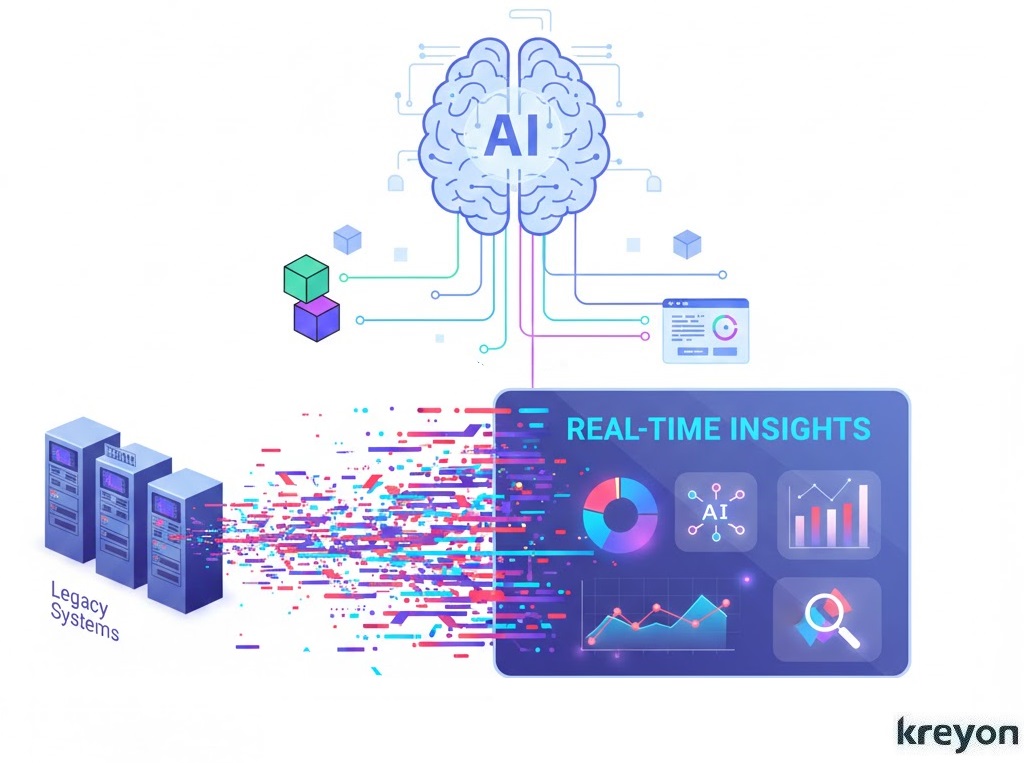
Enterprise App Modernization isn’t just a tech buzzword, it’s a strategic imperative. Mid‑to‑large companies relying on legacy applications often struggle with rising maintenance costs, security vulnerabilities, and limited agility.
This is the challenge many mid‑to‑large companies face today. Their business runs on apps built a decade or more ago. These apps are reliable. They are familiar. But they are slow, hard to change, and costly to maintain.
Modernizing enterprise applications can unlock performance, scalability, and innovation across the organization. This comprehensive guide explores proven best practices to help enterprises modernize efficiently and confidently.
What Enterprise App Modernization Really Means
At its core, Enterprise App Modernization is the process of transforming outdated software systems into contemporary, scalable, and maintainable digital assets.
This often includes moving systems to the cloud, modularizing architecture, and adopting modern development practices like DevOps and continuous delivery. The goal is to reduce technical debt and align applications with current business requirements.
Modernization enables better integration with emerging technologies such as AI, IoT, and big data analytics, making applications agile, secure, and future‑ready.
1. Start with Strategic Assessment and Roadmap
For any Enterprise App Modernization initiative to succeed, it’s critical to begin with a comprehensive assessment of the current application landscape.
Conduct a Thorough Application Portfolio Review
Identify which applications are critical, which are redundant, and which can be retired. This prevents unnecessary modernization spend and directs resources where they’ll deliver the most value.
Prioritize Based on Business Value
Not all apps need modernization at once. Prioritize based on business impact, technical risks, and integration needs with other systems.
Build a Clear Roadmap
Define what success looks like at each stage, from lift‑and‑shift migrations to full refactoring or replacement. A well‑defined roadmap aligns IT teams with business goals and helps stakeholders track progress.
2. Choose the Right Modernization Strategy
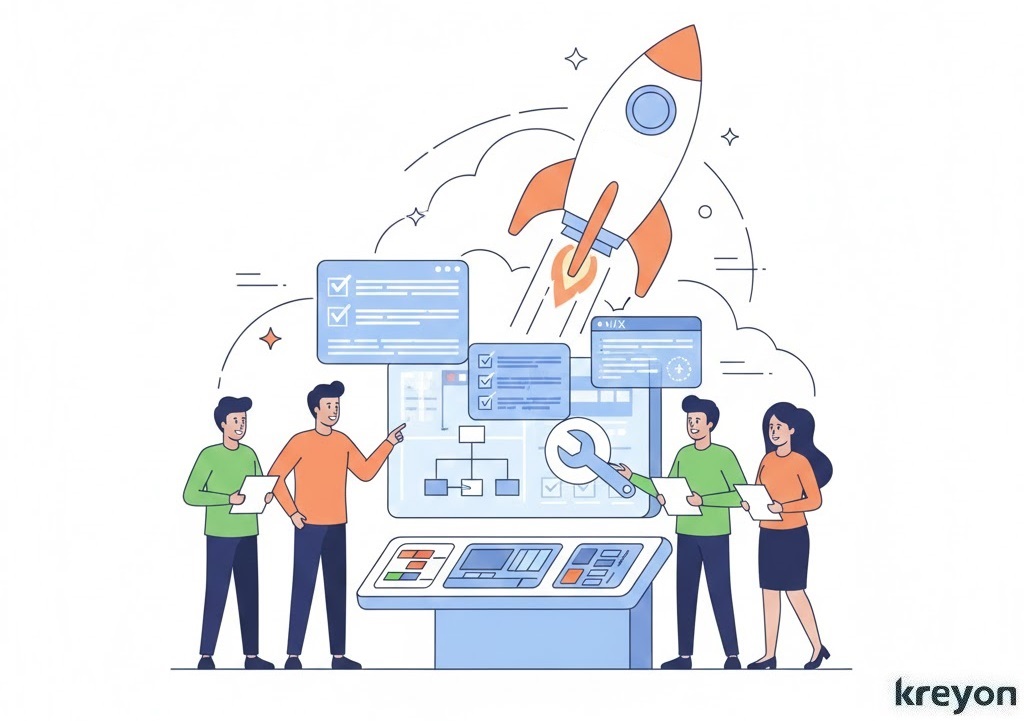
Depending on business needs and application complexity, enterprises can use different modernization paths. Leading sources outline several common approaches:
Rehost (“Lift & Shift”)
Move applications to cloud infrastructure with minimal code changes. This is often the quickest path to reducing infrastructure costs and gaining cloud speed advantages.
Replatform
Make small strategic changes during migration, such as switching databases or integrating managed cloud services to optimize performance without full rewrites.
Refactor
Modify portions of the application to adopt modern patterns like containers or microservices. This offers better long‑term scalability and maintainability.
Rebuild
Completely rewrite an application using modern languages and frameworks when the legacy system is no longer sustainable.
Replace With SaaS
For standard enterprise functions (like CRM or HR), sometimes replacing legacy software with leading SaaS solutions can be more cost‑effective and provide ongoing upgrades.
Each approach has trade‑offs, so choosing the path that aligns with your enterprise’s skills, budget, and business needs is key.
3. Leverage Modern Architecture and DevOps Practices
Modern architecture is a cornerstone of successful Enterprise App Modernization.
Adopt Microservices and API‑First Strategies
Breaking monolithic systems into microservices enables independent deployment, improved scalability, and faster updates. APIs provide seamless integration across systems and services.
Use Containers and Orchestration
Platforms like Kubernetes and Docker help manage microservices, provide resilience, and support dynamic scaling essential for enterprise workloads.
Embrace DevOps and Continuous Delivery
Integrating DevOps practices with automation (CI/CD) accelerates deployment cycles and enhances collaboration between development and operations teams. This reduces errors and ensures faster, reliable releases.
4. Embed Security and Compliance into Modernization
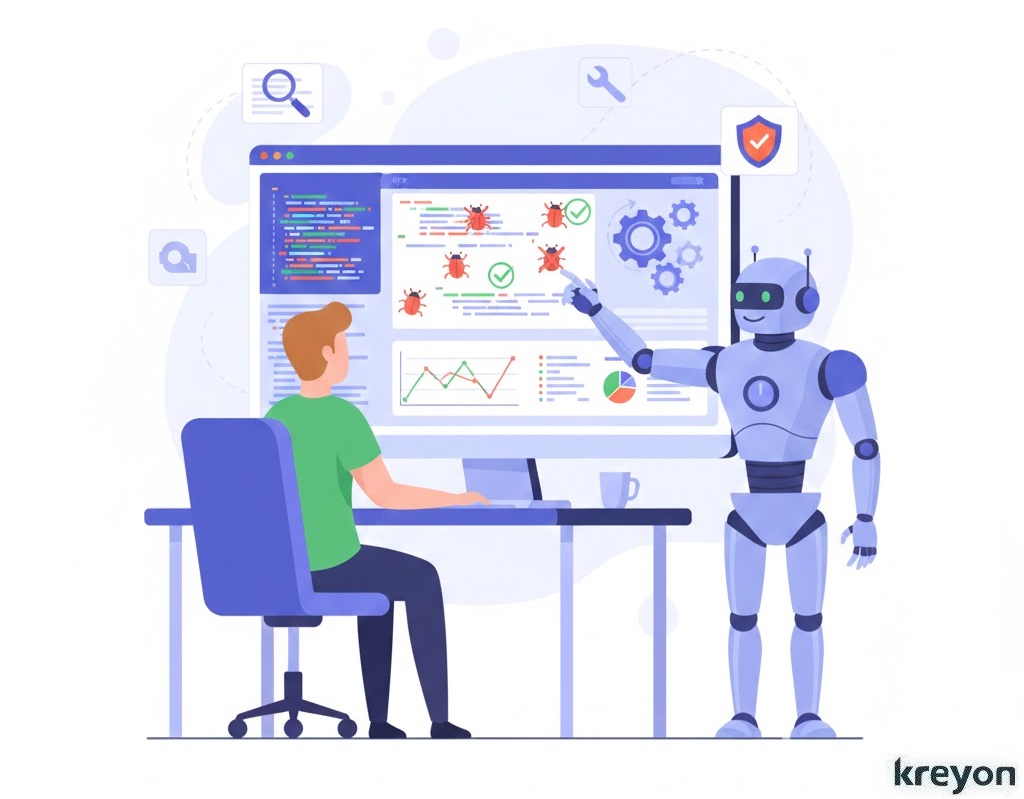
Security cannot be an afterthought in Enterprise App Modernization. Legacy systems typically lack the advanced security controls required in today’s threat environment.
Prioritize End‑to‑End Security
From design to deployment, integrate security at every stage. Implement role‑based access control (RBAC), end‑to‑end encryption, and real‑time threat detection.
Zero‑Trust Architecture
Adopt zero‑trust principles (“never trust, always verify”) to safeguard enterprise applications from unauthorized access, especially in hybrid cloud environments.
Ensure Regulatory Compliance
Enterprises in regulated industries (e.g., finance, healthcare) must ensure modernization efforts comply with applicable standards such as GDPR or HIPAA. Compliance often goes hand‑in‑hand with modern security practices.
5. Maintain Data Quality and Migration Integrity
Modernization often involves complex data migrations. Poor handling can lead to data loss, inconsistencies, or prolonged downtime.
Define a Data Strategy
Plan how data will be cleansed, validated, and moved to cloud or new platforms. Maintain backups and rollback plans in case of issues.
Test Data Thoroughly
Use staging environments to test data flows and integrity before the full cutover.
Taking the time to ensure data integrity helps maintain trust and continuity during transitions.
6. Focus on User Experience and Performance
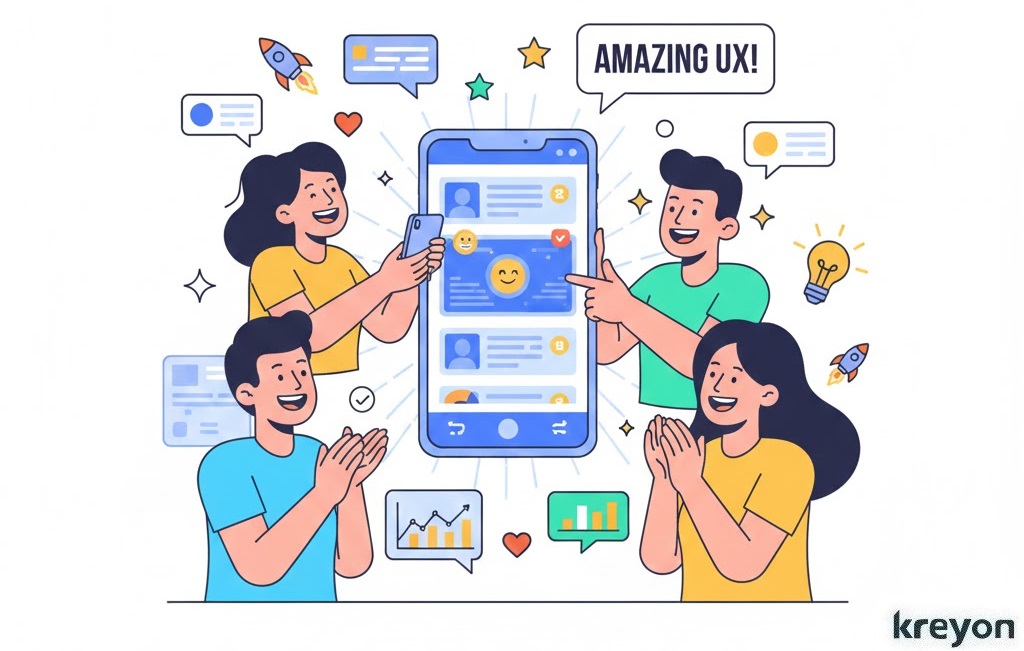
Modern applications should not only be technically superior — they should be intuitive and performant.
Prioritize UX Design
Legacy interfaces often hinder usability. Redesign user experiences with responsive UI, accessibility, and modern workflows to increase internal user productivity and customer satisfaction.
Monitor Performance Continuously
After modernization, constantly measure performance and user feedback, then iterate improvements. Tools that track real‑time metrics can help optimize performance over time.
7. Invest in Change Management and Training
Even the most technically excellent modernization project can fall short if end users resist change.
Communicate Early and Often
Engage stakeholders, business leaders, developers, and end users, early in the process to set expectations and empower adoption.
Equip Teams with Skills
Provide training on new tools, platforms, and workflows. Skilled internal teams reduce reliance on external consultants and ensure long‑term success.
8. Plan for Ongoing Optimization
Modernization is not a one‑time event, it’s a journey. Advanced monitoring, automation, and feedback loops help ensure systems stay up‑to‑date and aligned with evolving business goals.
Use Automation for Testing & Deployment
Automated testing pipelines ensure that each new feature is stable and secure before release.
Regularly Review Architecture
As business needs evolve, periodically review modernization outcomes and adjust strategies for optimal performance.
Conclusion: Modernize with Purpose
Enterprise App Modernization is a transformative journey that can unlock agility, reduce costs, strengthen security, and improve user experience.
By beginning with clear assessments, choosing the right modernization strategies, adopting modern architecture, embedding security, and focusing on data and users, mid‑to‑large companies can future‑proof their digital landscape.
Modernization isn’t about change for its own sake, it’s about enabling innovation, growth, and resilience in an ever‑competitive market.
Ready to modernize your enterprise applications? Explore Kreyon Systems Enterprise Modernization Services or contact our experts to build a customized roadmap for your business success!