
AI-Powered Analytics: Turning Data into Decisions for Enterprises
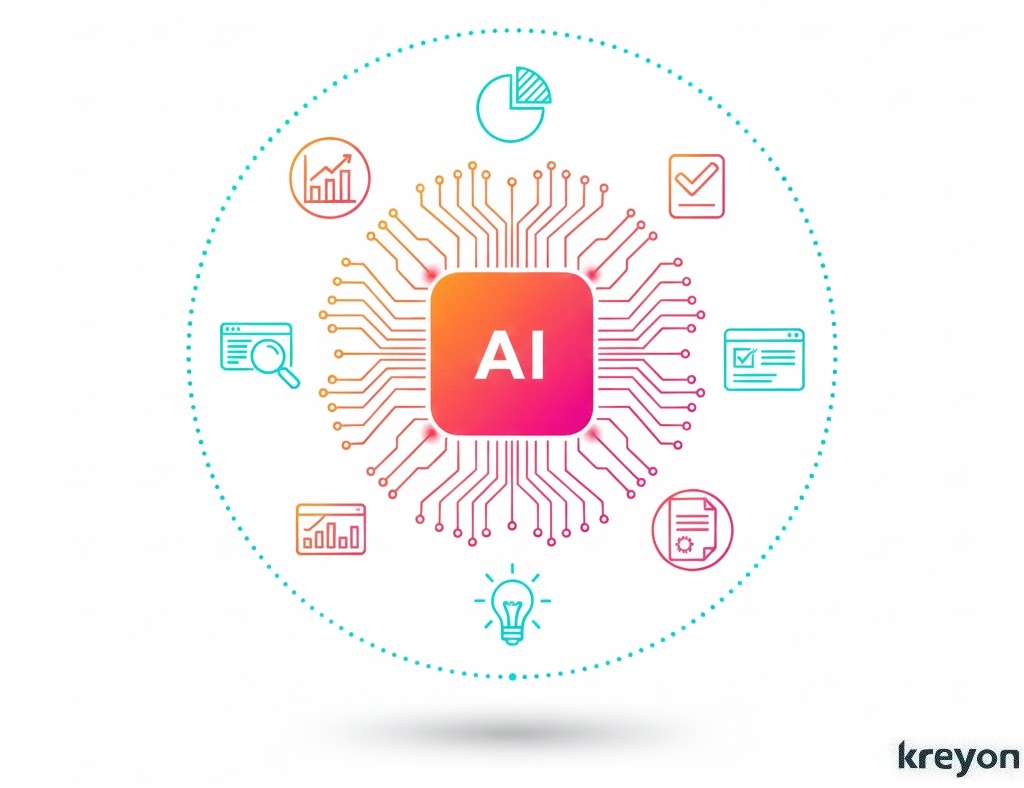
Every organization today is swimming in data. From customer interactions to supply chain metrics, the sheer volume of information can feel overwhelming. But here’s the real question: How do you turn all that data into clear, actionable decisions?
That’s where AI-powered analytics for AI steps in. It doesn’t just analyze numbers, it interprets them, monitors AI systems, and helps leaders make smarter, faster decisions.
This isn’t a futuristic experiment anymore. Businesses using AI-powered analytics are not only improving accuracy, they’re gaining agility, anticipating challenges, and uncovering opportunities that others might miss. In short, it’s fast becoming a must-have for anyone serious about staying competitive.
Why Traditional Analytics Is Running Out of Breath
Spreadsheets, BI tools, and even “advanced” visualization platforms were revolutionary in 2015. They’re quaint today. Traditional analytics suffers from three fatal flaws:
Latency: By the time a report is built and circulated, the moment has passed.
Human bias: We see what we want to see. Confirmation bias alone costs Fortune 500 companies an estimated $37 billion annually in poor decisions (HBR, 2023).
Scale blindness: Humans can comfortably track maybe seven variables at once. Modern business problems routinely involve thousands.
AI-powered analytics eliminates these bottlenecks by processing petabytes in seconds, spotting patterns no human would notice, and continuously learning from outcomes.
How AI-Powered Analytics Actually Works
AI is becoming embedded in nearly every business function. From machine learning models that predict customer behavior to generative AI that powers content creation.
Organizations are relying on intelligent systems to operate at scale. But here’s the paradox: the more AI you deploy, the more you need analytics to ensure it’s functioning correctly.
AI-powered analytics for AI monitors these systems in real-time. It detects anomalies, tracks performance drift, and ensures models are delivering the expected results.
Imagine it as a co-pilot for your AI: constantly observing, learning, and offering recommendations to optimize performance. This kind of oversight is no longer optional, it’s essential for staying competitive in fast-moving markets.
Moreover, this approach isn’t just reactive. Modern AI analytics allows organizations to anticipate problems before they occur, fine-tune workflows, and maintain alignment with strategic goals.
In short, your AI isn’t just a tool, it’s becoming a self-aware system that helps guide decision-making across the organization.
How AI-Powered Analytics Transforms Decision-Making
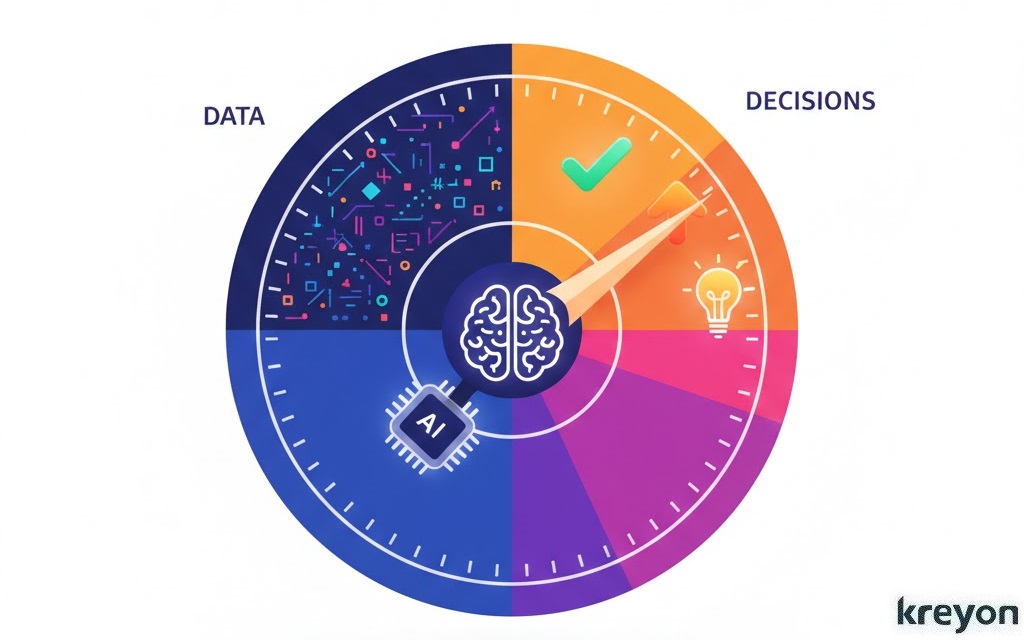
Data alone doesn’t create value. The magic happens when analytics turns raw, unstructured information into insights that leaders can act on. Here’s how AI-powered analytics for AI makes a difference:
1. Predictive Insights: Seeing the Future Before It Arrives
Predictive analytics uses historical and real-time data to forecast trends, risks, and opportunities.
For instance, a retailer can predict which products are likely to sell out next month, while a logistics company can anticipate delays in their supply chain. Leaders armed with these insights can make proactive decisions, rather than reacting to crises after they occur.
2. Prescriptive Intelligence: Knowing the Best Next Step
Beyond prediction, prescriptive analytics tells you what to do. Instead of just flagging potential customer churn, an AI-powered system might recommend personalized retention strategies, suggesting which offers or communications are most likely to keep customers engaged.
This moves decision-making from guesswork to precision.
3. Real-Time Decision Support: Speed Matters
In today’s fast-moving markets, timing is everything. AI-powered analytics processes enormous volumes of data in real-time, enabling instant insights. Whether it’s adjusting production to match sudden demand or responding to market shifts, organizations gain the agility they need to stay ahead.
4. Accuracy and Consistency: Trusting Your Data
Machine learning algorithms reduce human error and ensure decisions are consistent across the organization. With AI-powered analytics, leaders can rely on the recommendations they receive, confident that decisions are based on reliable, up-to-date data.
Operational Benefits Across the Organization

The impact of AI-powered analytics extends far beyond executive dashboards. It strengthens operational efficiency at every level:
-
Continuous AI Model Monitoring: Analytics keeps an eye on AI systems, detecting drift, anomalies, and performance issues before they become major problems.
-
Optimizing Resources: From human resources to inventory, analytics identifies inefficiencies and helps organizations allocate resources more effectively.
-
Enhancing Customer Experience: By analyzing behaviors in real-time, businesses can personalize experiences, anticipate needs, and proactively address pain points.
-
Fostering Innovation: With routine data analysis automated, teams are freed to focus on creative problem-solving and strategic initiatives, boosting overall innovation.
Consider a manufacturing company using predictive maintenance. AI identifies which machines are likely to fail and when, preventing costly downtime. Simultaneously, analytics suggests the optimal allocation of maintenance staff, spare parts, and production schedules. The result? Increased efficiency, cost savings, and happier customers.
Designing a Winning AI-Powered Analytics Strategy
Implementing AI-powered analytics successfully isn’t just about technology, it’s a blend of clear goals, human expertise, and responsible governance.
1. Define Clear Objectives
Every AI initiative should start with a purpose. Are you aiming to improve operational efficiency, boost customer retention, manage risk, or optimize AI system performance? Having clear objectives ensures analytics efforts are focused and impactful.
2. Invest in Scalable Infrastructure
To harness AI-powered analytics, you need robust infrastructure: clean data pipelines, scalable cloud platforms, and strong security frameworks. This ensures your insights are reliable, accessible, and compliant with regulations.
3. Integrate Human Expertise
AI amplifies human intelligence, it doesn’t replace it. Teams are essential for interpreting results, validating recommendations, and making strategic decisions. Think of analytics as a co-pilot; humans remain the pilots who steer the organization.
4. Commit to Responsible AI
Ethics and accountability are crucial. Organizations must ensure transparency, fairness, and ethical use of AI-powered analytics to build trust internally and externally. Responsible AI isn’t optional—it’s a strategic advantage.
Applications in Action
AI-powered analytics is already reshaping industries around the globe, for e.g. Kreyon Systems offers supply‑chain management (SCM) and procurement‑to‑order systems as part of its product suite.
Analytics / AI‑Powered Role:
-
Embedding analytics to handle large sales data, inventory turnover, supplier performance, lead times, demand spikes:
-
Predict demand for different SKUs (stock‑keeping units) across regions/stores using historical sales, seasonality, promotions, etc.
-
Predict demand for different SKUs (stock‑keeping units) across regions/stores using historical sales, seasonality, promotions, etc.
-
Automate stocking/re‑ordering, supply‑chain workflows triggered when forecasts predict demand rise, reducing stock-outs and overstock.
-
Supplier and logistics monitoring: detect delivery delays or patterns, and reroute or re-order based on predictive alerts.
-
Optimize procurement costs: analyze supplier performance and cost vs delivery times vs quality, recommending best vendor mixes.
A leading bank might use AI-powered analytics to detect suspicious transactions instantly, flagging potential fraud before it happens. Meanwhile, a retailer can anticipate shopping trends, ensuring popular items are in stock and promotions are targeted effectively.
The Future of AI-Powered Analytics

The evolution of AI-powered analytics points toward even smarter, more autonomous systems. Here’s what to expect:
-
Self-Monitoring AI Systems: AI models that automatically detect and correct errors.
-
End-to-End Decision Frameworks: Seamless integration from data collection to actionable insights.
-
Natural Language Interfaces: Conversational dashboards that make insights more accessible to non-technical teams.
-
Cross-Industry Scalability: Solutions that adapt across multiple business functions and sectors.
Organizations embracing these tools today will navigate complexity more effectively, respond rapidly to change, and harness innovation before competitors catch up.
Conclusion: Make Data Your Competitive Advantage
AI-powered analytics for AI isn’t just a tool, it’s a mindset. It combines automated insights with human judgment, enabling faster, smarter, and more confident decisions.
Start small, measure results, and scale strategically. The companies that transform raw data into meaningful actions will lead the way, turning insight into advantage and opportunity into growth.
Kreyon Systems’ AI-Powered analytics transforms enterprise data into actionable insights. Drive smarter decisions, predict trends, and accelerate your business growth. For queries, please contact us.