The Anatomy of a Successful ERP Overhaul
The Anatomy of a Successful ERP Overhaul Read More “The Anatomy of a Successful ERP Overhaul”

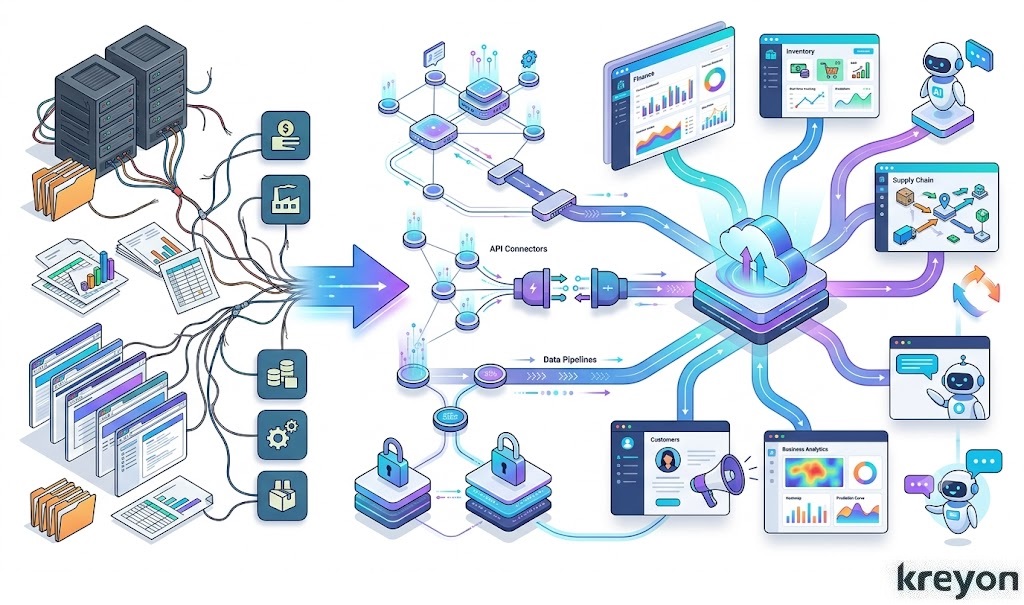
Most business owners don’t wake up thinking about disconnected software. They wake up thinking about sales, payroll, customers, and whether their team is overwhelmed again this week. Read More “The Hidden Cost of Disconnected Software: Why SMBs Need Integration Before AI”

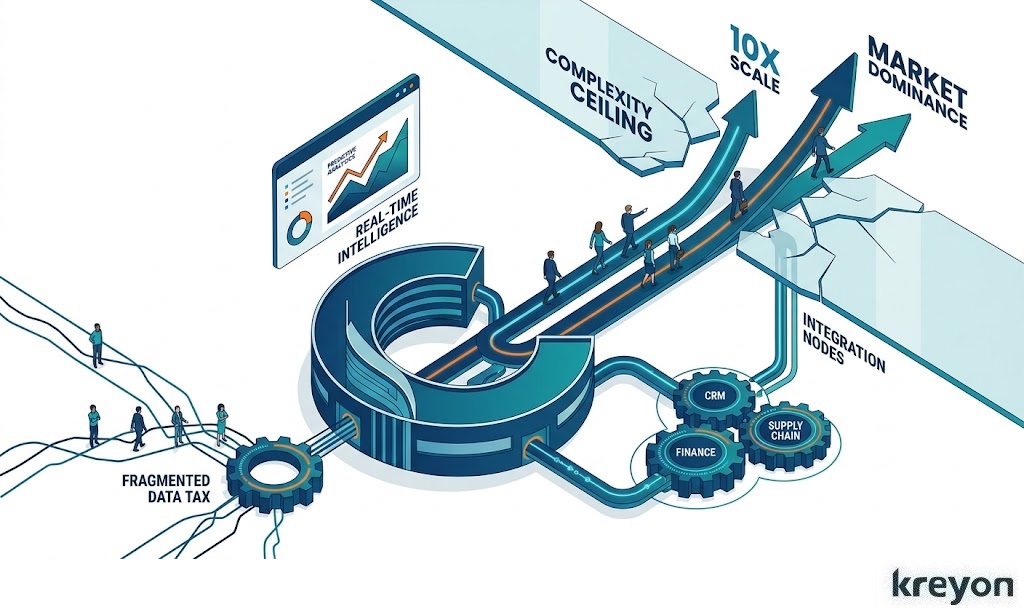
In the lifecycle of every high-growth enterprise, there is a silent tipping point. It’s the moment when the very systems that fueled your early success, the flexible spreadsheets, the specialized SaaS apps, the manual hustle begin to turn against you. Read More “The Complexity Ceiling: How a Custom ERP Development Company Engineers Exponential Scale”

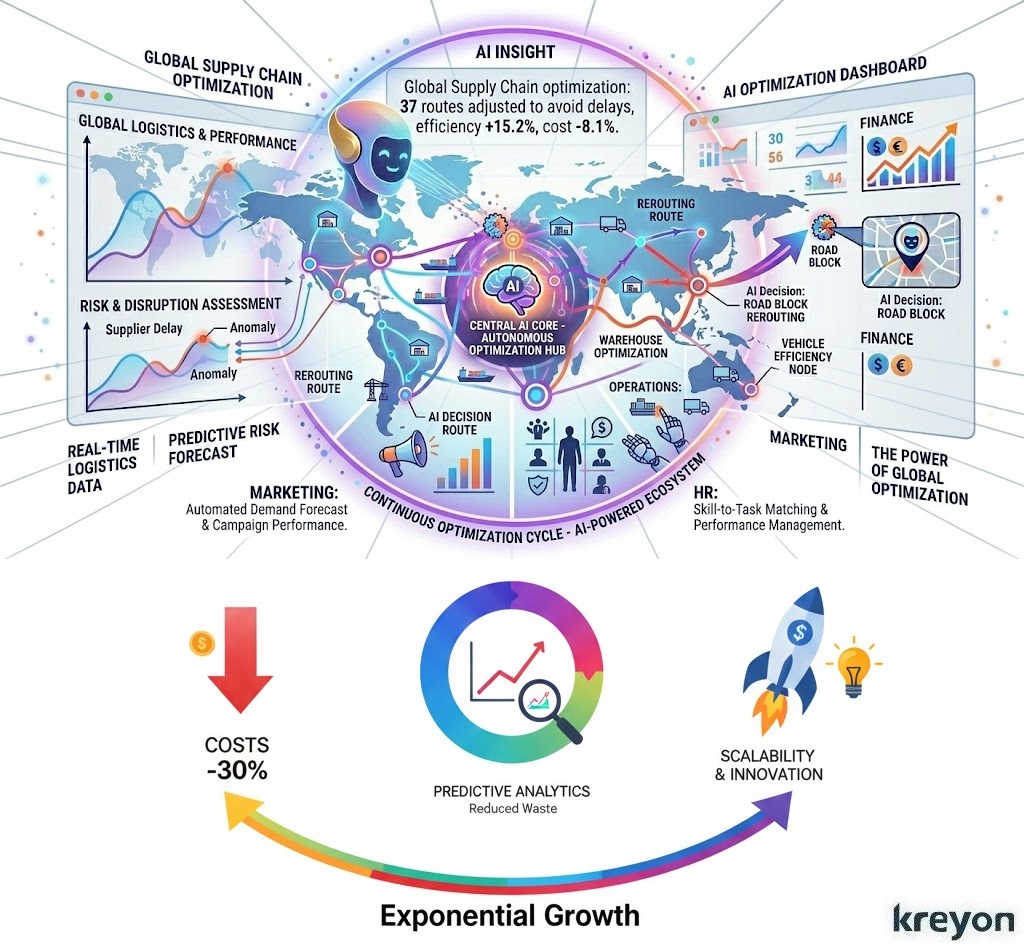
Walk into any modern enterprise today, and the scene is deceptively high-tech. Dashboards flicker with real-time metrics, reports are granular to the penny, and systems are ostensibly “integrated.” Read More “The Rise of Agentic ERP: Moving from Data Entry to Autonomous Business Logic”

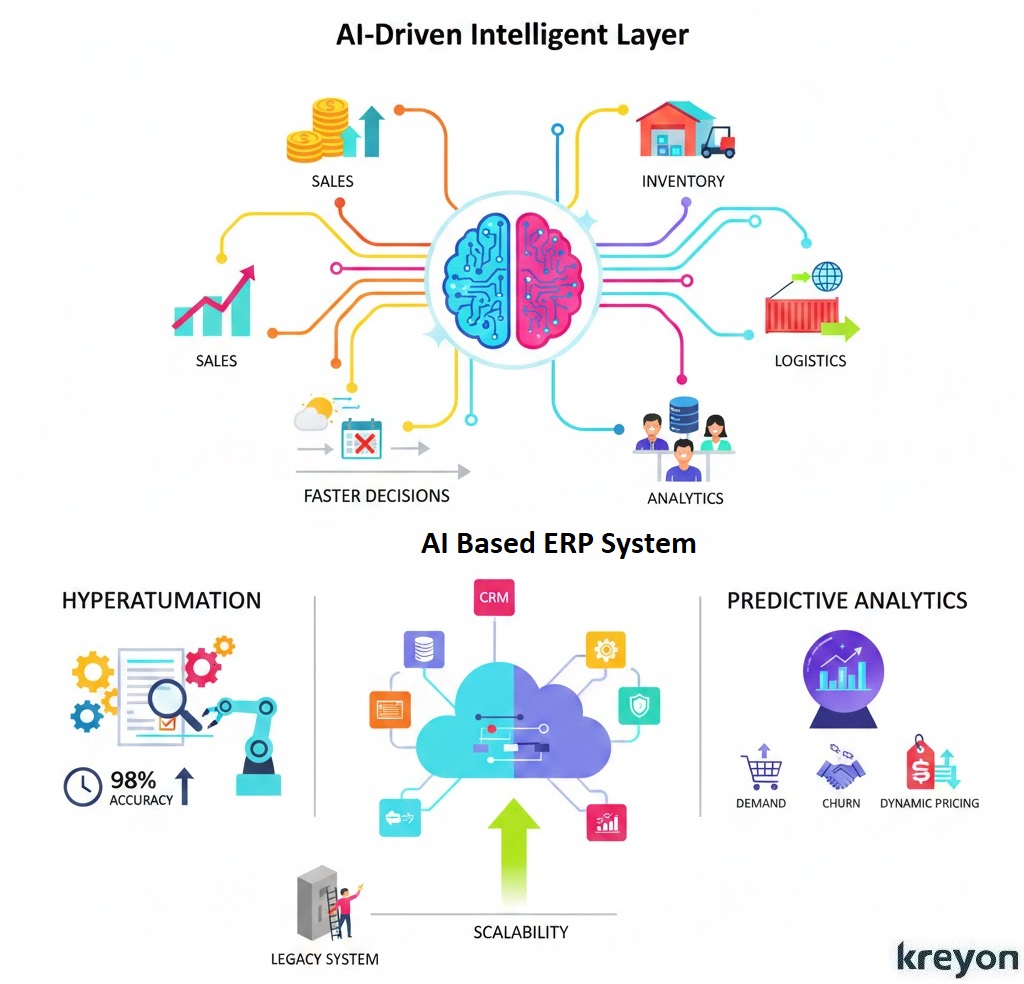
Mid-size businesses are at a fascinating crossroads. They’re too complex for spreadsheets and disconnected software, yet not large enough to tolerate inefficiency at scale. That’s where an AI Based ERP System comes as a tool that’s quietly reshaping how these companies operate, compete, and grow. Read More “AI Based ERP System: How Automation Is Transforming Mid-Size Businesses”

How UX Driven ERP Development Significantly Improves ERP Success
Read More “UX Driven ERP: How UX Driven ERP Development Significantly Improves ERP Success”

AI-powered ERP isn’t just the next step in digital transformation, it’s the game-changer redefining how businesses operate, compete, and grow. Read More “AI-Powered ERP: The Future of Business Operations”

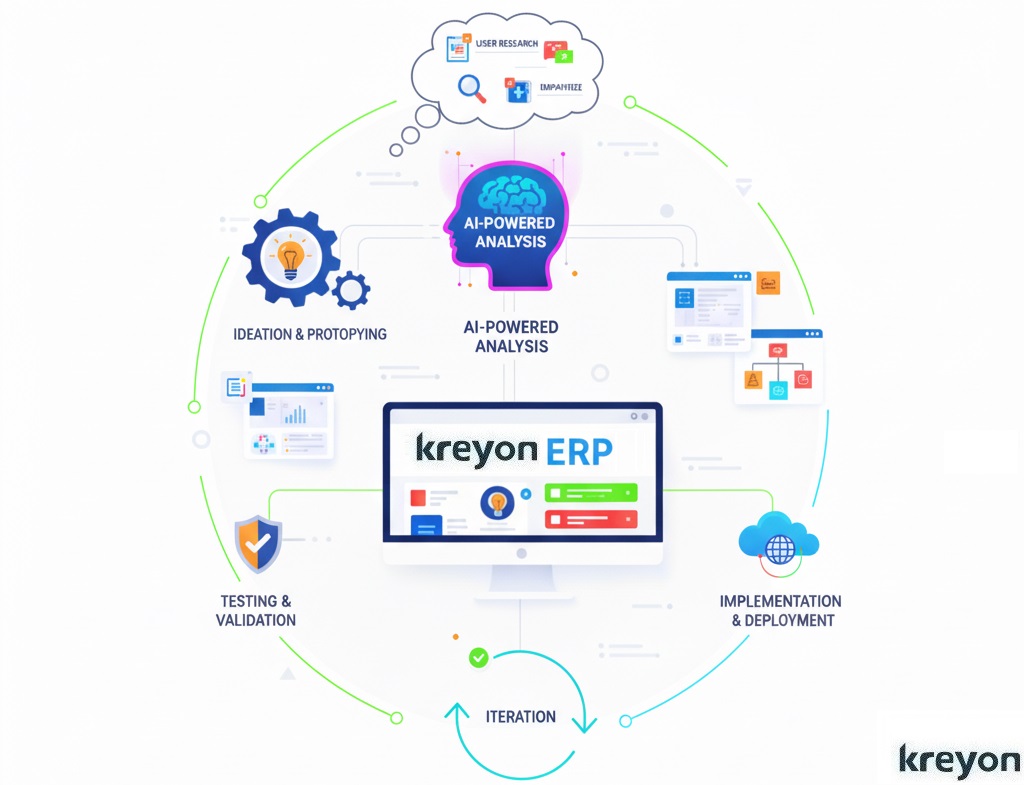
In the ever-evolving digital landscape, enterprise resource planning (ERP) systems continue to play a central role in streamlining core business operations from finance and supply chain to human capital management. Read More “Design Thinking in ERP: How Design Thinking Drives Successful ERP Implementation”

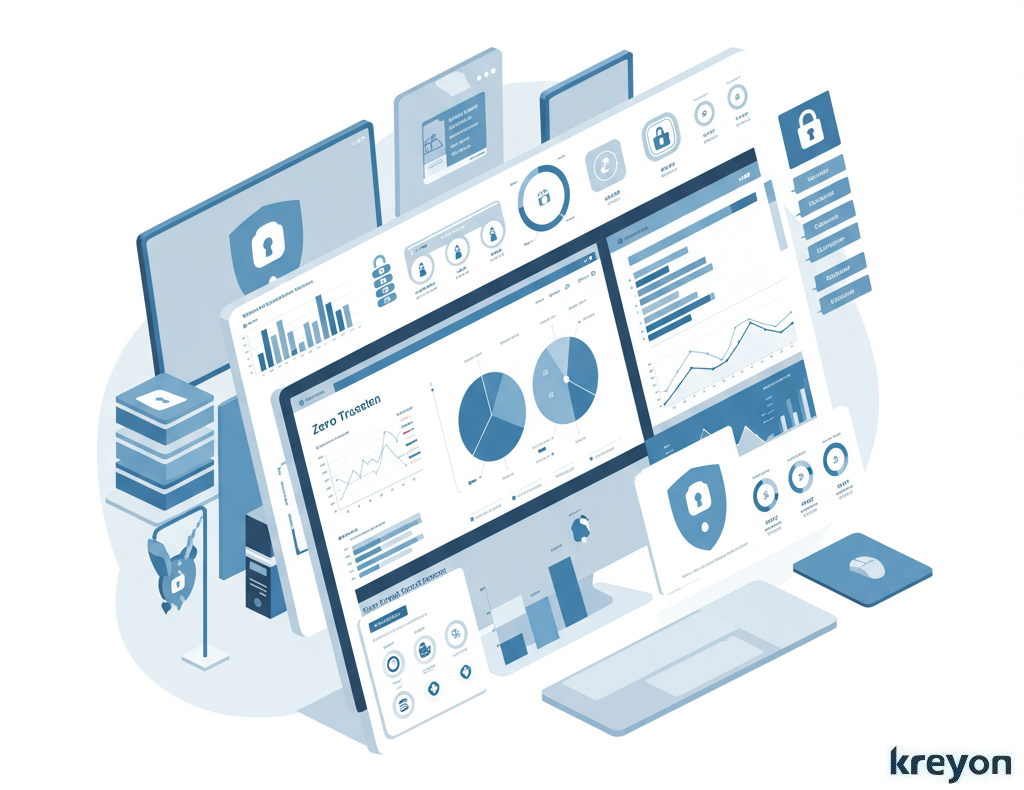
Enterprises are increasingly moving their enterprise resource planning (ERP) systems to the cloud. A Cloud-Based ERP System offers businesses significant advantages, including scalability, cost savings, and improved collaboration. However, with these benefits come heightened security risks. Read More “Implementing Zero Trust for a Cloud-Based ERP system”

In the world of manufacturing, efficiency, cost-effectiveness, and scalability are the key drivers that determine success. Manufacturers often face challenges in tracking inventory, managing production schedules, controlling costs, and improving operational efficiency. Read More “ERP for Manufacturing: Best Practices for Manufacturing ERP Implementation”